
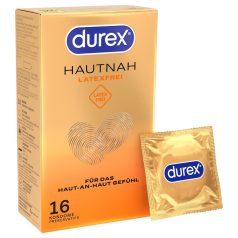
Non-latex condom
Searching for protection that feels authentic, safe, and gentle on your body? A latex-free condom is the ideal option for anyone with sensitivities, allergies, or a preference for a more natural skin-to-skin experience. Soft, smooth, and dependable, these condoms allow you to focus on intimacy without distractions.
Our collection of latex-free condoms combines comfort, safety, and pleasure in one discreet package. From ultra-thin designs that enhance sensitivity to textured varieties that add a bit of excitement, you'll find exactly what you need to make every moment memorable. And yes – they’re fully compatible with your favourite lubricants for an even smoother experience.
At Desirel Sex Shop, shopping is straightforward, secure, and entirely private. With quick and discreet delivery, no one will ever know what’s inside your package except for you. Browse our selection today and discover why once you try latex-free, you’ll never want to go back.





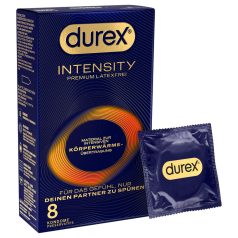

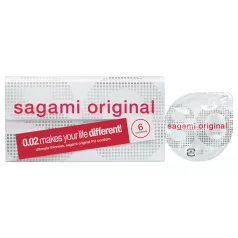
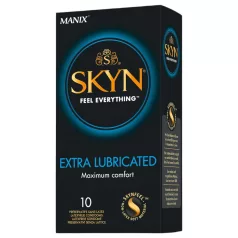
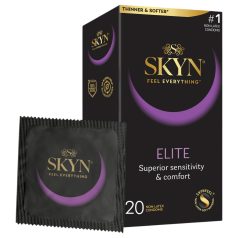

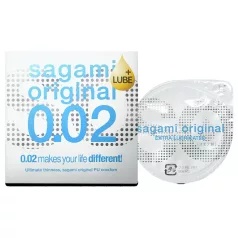
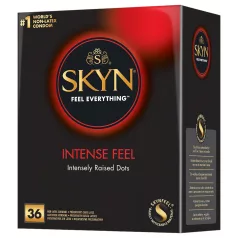
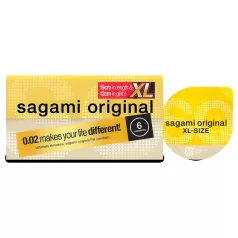
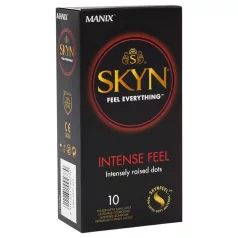
Non-Latex Condom Guide: Everything You Need to Know
Choosing the right condom goes beyond just protection – it’s also about feeling comfortable, enjoying sensations, and picking a material that suits your body. For many individuals with sensitivities or allergies, a non-latex condom is more than just a preference; it’s a practical solution that helps make intimacy worry-free. Whether you're single, in a long-term relationship, or keen to explore new textures and fits, this guide will explain what non-latex options are, who benefits the most, how to choose the best fit, and how to use them for both pleasure and safety. We’ll also highlight where a curated selection stands out, so you can shop with confidence and discretion without compromising on choice or quality.
What Is a Non-Latex Condom?
A non-latex condom is a barrier method made from materials other than natural rubber latex, designed to prevent pregnancy and, depending on the material, reduce the risk of STI transmission. Instead of traditional latex, popular alternatives include polyisoprene condoms, polyurethane condoms, and nitrile designs, with natural membrane (lambskin) offering a distinct feel with different protection qualities. These alternatives are designed to provide reliable protection, while many people find the sensation to be closer to natural skin contact. Because the materials vary in flexibility, heat transfer, and odor, non-latex condoms can feel softer, warmer, or thinner compared to classic latex models, allowing for better comfort and intimacy control.
Who Should Consider Non-Latex Condoms?
You don’t need a diagnosed allergy to benefit from non-latex condoms. They’re ideal for anyone who experiences irritation with latex, prefers a gentler touch, or is interested in trying a different feel. If latex causes itching, redness, or discomfort during or after sex, switching to non-latex condoms can significantly improve your experience. Many users love the skin-like warmth of polyisoprene and the thinness of polyurethane, both of which enhance sensitivity for both partners. They're also an excellent choice for people who want specialized options such as vegan formulations, odor-neutral designs, and compatibility with a wider range of lubricants, enabling you to customize sensation and glide according to your preferences.
Different Types of Non-Latex Condoms
Not all non-latex condoms are alike, and each material offers a unique feel and performance profile. Polyisoprene condoms are hypoallergenic, stretchy, and soft, offering a familiar fit with a gentler touch and excellent heat transfer. Polyurethane condoms are typically thinner and odorless, transmitting warmth quickly and offering a smooth, slick surface that many find highly sensitive, though they are less elastic and may require a more precise fit. Nitrile is often used in internal (female) condom designs and is compatible with a variety of lubricants. Natural membrane (lambskin) creates a uniquely “bare” sensation that some people enjoy for partnered intimacy, but it doesn’t provide reliable protection against STIs, so it's best suited for monogamous relationships where both partners have been tested and mutually agree on the associated risks.
How to Choose the Best Non-Latex Condom
Selecting the right non-latex condom starts with matching size, sensation, and lubrication to your needs. Size is key for comfort and reliability: choose snug, standard, or large based on girth rather than length, and look for brands that provide detailed width measurements. If you want heightened sensitivity, go for ultra-thin non-latex condoms; for longer sessions or added peace of mind, a slightly thicker wall can provide reassurance. Next, think about lubrication: most non-latex condoms come pre-lubed, but adding more water-based or silicone-based lube can increase comfort and reduce friction. Finally, consider features—ribbed and dotted textures add stimulation, while contoured or flared shapes enhance fit and sensation. If odor bothers you, polyurethane condoms are often the most neutral; for stretch and softness, polyisoprene condoms are a great choice.
How to Use Non-Latex Condoms
Using a non-latex condom follows the same steps as using latex versions, but with a few material-specific considerations to enhance your experience. Always check the expiration date, make sure the package is sealed with no air bubbles, and open it carefully using your fingers instead of teeth or sharp nails. Place the condom on the tip of the erect penis before any genital contact, pinch the reservoir to remove trapped air, and unroll it smoothly to the base. If the condom feels tight or slips, adjust your size or shape. With polyurethane’s reduced elasticity, a precise fit is essential, and adding more lube can help improve comfort, performance, and sensation for both partners.
Tips for Beginners
- Practice alone to get the hang of the right orientation and smooth unrolling—this will reduce awkward pauses and the risk of breakage when things heat up.
- Start with polyisoprene condoms if you’re sensitive; they’re soft, stretchy, and comfortable, often easing the switch from latex.
- Apply a few drops of lube inside the tip (not too much) to enhance sensitivity for the wearer, and more on the outside to reduce friction during thrusting.
Tips for Advanced Users
- Compare materials in the same size and shape—switching between polyisoprene condoms and polyurethane condoms shows how thickness and elasticity alter sensation.
- Try textured non-latex condoms (ribbed or dotted) for targeted stimulation, or experiment with flared heads for a looser feel at the tip while maintaining security at the base.
- Pair with compatible toys and the right lubricant to create unique experiences—thin polyurethane with a silky silicone lube provides an ultra-slick, high-sensation ride.
Safety Tips
- Store condoms in a cool, dry place away from heat and friction; avoid keeping them in pockets or wallets, as these can weaken the material over time.
- Use a new condom for every act of intercourse and after any interruption (such as switching positions from anal to vaginal) to maintain hygiene and reduce infection risks.
- Lubricant compatibility is important: water-based lube works with all condoms; silicone lube is safe with polyisoprene condoms and polyurethane condoms; avoid oil-based lubes with polyisoprene, though polyurethane can tolerate oils—check the packaging for specific guidance.
Feel & Performance: What to Expect
Material choice directly influences your experience. Many people find that polyisoprene condoms feel warm and natural, with a soft surface and reliable stretch that hugs the body without being restrictive. Those who prefer polyurethane condoms enjoy the ultra-thin film and smooth, glassy texture that transmits heat quickly, creating a “barely there” sensation when paired with the right lube. If you or your partner are sensitive to rubbery smells, polyurethane’s neutral scent can make intimacy feel cleaner and more spontaneous. As non-latex materials transmit heat effectively, couples often notice a better “skin-on-skin” realism, which is perfect when you want protection without sacrificing closeness.
Common Mistakes to Avoid
Most issues stem from sizing, dryness, or improper handling. If a condom rolls up during use or feels tight at the base, try a wider fit or different shape. If you experience friction, add more lube early and reapply as needed, especially with thinner non-latex condoms. Never reuse a condom, and avoid using two at once—friction between two condoms increases the risk of breakage. Finally, never open wrappers with scissors or teeth, as even small nicks can compromise the condom's integrity, especially on ultra-thin designs that depend on a flawless surface for strength.
FAQs About Non-Latex Condoms
1) Are non-latex condoms safe? Yes. Polyisoprene condoms and polyurethane condoms are rigorously tested for reliability in preventing pregnancy and reducing STI risks when used correctly. Natural membrane (lambskin) prevents pregnancy but doesn’t protect against STIs, so it’s only suitable for low-risk, mutually tested relationships.
2) Do non-latex condoms feel different? Many users find polyisoprene softer and warmer than latex, while polyurethane is thinner and exceptionally smooth. If you want a more natural feel, both are excellent choices, with polyurethane often winning for sheer sensitivity.
3) Can I use any lube with non-latex condoms? Water-based lubricants are safe with all condoms. Silicone lube is typically compatible with both polyisoprene condoms and polyurethane condoms. Avoid oil-based lubes with polyisoprene, although polyurethane generally tolerates oils—always check the packaging for manufacturer recommendations.
4) Are non-latex condoms more expensive? They may cost a little more due to the specialized materials and production processes, but many users find the comfort, reduced irritation, and enhanced sensation well worth the small premium.
5) Which size should I choose? Choose based on width, not length. If standard sizes feel tight or pinch at the ring, go for a larger size; if they slip or bunch up, try a snugger fit. Brands typically list nominal widths—use these measurements to find your ideal fit.
6) Are there vegan non-latex options? Yes. Many polyisoprene brands are vegan and cruelty-free, offering a clean formula without animal-derived ingredients and a neutral scent, making them a great choice for those mindful of ingredients.
Why Do We Recommend Ordering from Desirel Sex Shop?
Shopping for protection should be simple, private, and reliable. At Desirel Sex Shop, you’ll find a curated selection of non-latex condoms along with detailed product specifications and sizing to help you choose confidently and quickly. Enjoy a secure ordering and payment process that protects your personal data, fast and 100% discrete shipping in plain packaging, so only you know what’s inside, and a wide selection—over 10,000 products in stock—allowing you to bundle condoms with lubricants, toys, or accessories in one private checkout. Skip store lines and awkward encounters—there’s no waiting in line, no one sees what you bought—and rely on our professional, helpful customer service whenever you need sizing guidance, material comparisons, or lubricant compatibility tips. With variety, privacy, and support all in one place, restocking becomes simple and discreet.
Conclusion
Whether you’re addressing sensitivity issues, searching for a more natural feel, or exploring different textures and shapes that heighten pleasure, non-latex condoms offer you the control to customize intimacy while ensuring safety. Start with polyisoprene condoms for a soft, stretchy fit, or try the ultra-thin, smoothness of polyurethane condoms for a nearly bare sensation. Choose the perfect size, pair it with your favorite lube, and follow proper handling techniques to keep things smooth, safe, and intensely enjoyable. When you're ready to elevate comfort and confidence, browse the well-stocked, discreet selection at Desirel Sex Shop to find your go-to barrier for better, more pleasurable protection.


