
The Biggest Mood Killers — And How to Get Your Libido Back
You're not broken — your lifestyle might just be quietly killing your sex drive. In her 5-part series, licensed sexologist Sofie Roos exposes the everyday habits that destroy libido, and shares practical ways to get your desire back. Keep reading — the culprit might be closer than you think.

Are you wondering why you’re never in the mood anymore?
Our sex lust is quite sensitive — it’s affected by how we live, how we feel, and how we treat ourselves — every single day.
And the tricky part is that most of the things killing our sex drive are so normalized in our lives that we don’t even notice them.
My name is Sofie Roos, and I’m a licensed relationship therapist and sexologist as well as author at the Swedish sex and relationship magazine Passionerad, and in this story, I will point out the things you do that make you lose desire, as well as guide you to natural ways to boost libido, and how you can get your interest for sex back!
What Kills Sex Drive — Why Am I Never in the Mood?
Here’s 7 everyday habits that secretly destroy sexual interest — and what to do instead!
1. Stress During Long Periods is Desires Worst Enemy
Does stress lower libido? The answer is yes, yes and another yes — survival mode kills intimacy!
A study published in The Journal of Sexual Medicine from 2024 found that men with high stress levels reported poor or terrible libido at a bigger extent compared to those with mild or low stress levels. It also showed that stressed men had sex less frequently!
When we’re stressed, the body de-prioritize interest in intimacy, to instead focus on solving the things that stresses us.
A 2009 study reported that women who showed increased cortisol responses during sexual stimulation also reported lower sexual function, including lower sexual desire.
Cortisol is also known as “the stress hormone”, and it suppresses sex hormones, as well as lead to poor sleep and an overall worse mood, which is another reason why we lose interest in being intimate when going through a stressful period.
Lowering your cortisol by stressing less is therefore the way to go!
What you can do instead:
As stress is ruining your sex life, dealing with it should be your number one priority.
Try to actively lower the tempo every day where you try to just be in the moment. Even just a 10 minute routine has a positive effect! Doing breathing exercises does also help, so try to combine them.
To talk with your partner about what stresses you is another method I recommend you to try, as feeling understood lowers the load.
Lastly, exercising regularly is a great stress reliever. More about that soon!
2. Sleep and Desire — an Underestimated Reason for Killed Sex Drive
Even though you probably already had a clue, being tired mimics loss of sexual desire, as poor and little sleep decreases testosterone levels in both men and women, negatively affects mood, and makes you less energized, which aren’t optimal conditions for lots of good sex.
Do this instead:
A study from 2015 found that for every extra hour of sleep, the chance of sex increases by as much as 14% the following day, and that longer sleep was associated with higher lust.
Additionally, another study from 2019 done on older people found that poor sleep is associated with worse general sexual function.
This means that you should prioritize 8 - 9 hours of quality sleep every night, and create an evening routine that makes you de-stress, for example to not use the screens one hour before bed, and instead read a book, or you can have a cup of tea and simply talk with your partner!
Other great advice is to go to bed at the same time every night, to not lay in bed when chilling, this to make the body associate the bed with falling asleep, or to actually see the investment in your sleep as an investment in your sex life, and prioritize accordingly!
3. Lack of Exercise Lowers Libido
Blood flow and sexual function are closely correlated, which’s why lack of exercise can have a negative effect on your sexual function, as well as your libido.
Research from 2014 found that regular physical activity can have positive effects on sexual function and in some cases lust due to better mental health, mood and bodily image.
Another study from 2003 found that increased physical activity and better physical shape is connected to better experienced attractiveness and sexual performance.
This means that today's inactive lifestyle negatively affects your overall relationship to sex, as physical movement increases blood flow, also to the gender, helps us deal with stress and boosts testosterone levels, especially in people older than 40.
Do this instead:
As movement can be a real arousal booster, and as exercise additionally improves body confidence, I recommend people to find an exercise routine they enjoy and make happen regularly.
It can be to take walks everyday, to hit the gym, dance, play tennis or do yoga — everything counts!
So it’s not about getting the “perfect body”, but to start moving!
4. Low Self Esteem and Less Interest in Sex

Did you know that body shame shuts down arousal?
When we don’t feel confident in our own bodies, it becomes way more difficult to relax and be in the moment during intimacy, as you have thoughts such as “How do I look?” or “Am I enough?”.
This self criticism is a real mood killer, as you focus more on how you look than how it feels, which automatically makes you unable to fully enjoy the moment!
How to fix it:
If this is you, then you should practise on being in your body, not in your head. To shut the lights can help, but to talk with your partner about your worries is always best.
Also remind yourself that attraction isn’t based on if you’re “perfect” or not, but how you are as a person.
Lastly, stop exposing yourself to content on social media that stresses you, and instead turn towards more body positive creators, something which can be a massive game changer for how you view your own body!
So remember that lust grows in accepting yourself.
5. Relationship Stress and Conflicts Eats Up Your Mood
Unresolved conflict lowers attraction, as it’s difficult to feel sexual closeness and intimacy when you carry around irritation, disappointment, bitterness and resentment.
Even small things that you don’t deal with can create big emotional distance, and not being emotionally close almost always affects the physical intimacy as well!
Do this instead:
My best advice is to have clear and honest communication and talk about things that feel wrong as soon as they happen.
To create moments of emotional check-ins, as well as invest time in non-erotic intimacy such as hugs, eye contact and physical touch, are other tricks for creating an atmosphere where it feels natural to bring up things that irritates and bothers you!
6. Porn, Alcohol, Tobacco and Decreased Desire for Your Partner
A study from 2007 found that alcohol addiction is strongly correlated to decreased sex lust in men, and one of the most common reasons for low sexual desire. As many as 72 % of men with a problematic relationship to booze reported one or more sexual problems, where lower lust was common.
This is because frequent alcohol consumption negatively impacts your hormonal balance, your sleep and your sexual function.
Another study from 2017 found that heavy smoking men had more than double the risk to lack interest in sex, and also women who smoked reported reduced sexual function.
And even if you don’t smoke or drink, the porn you consume makes you less interested in sex, as porn makes the brain used to fast and strong dopamine kicks, which makes intimacy in real life feel less interesting.
On top of this, porn can make sexual arousal associated with your screen and solo stimulation, rather than with closeness with a partner.
What you should do:
Try to limit your alcohol consumption, especially during weekdays to create a good balance. Also minimize the porn, and instead initiate sex with a partner when you’re in the mood.
To limit, or ideally stop smoking, is also beneficial!
If doing this, you can replace the kicks with having real sex, even though it will take some time — so hang in there!
7. To Wait for “The Right Feeling” Makes You Never Have Sex
Most people think that wanting sex always comes spontaneously, but did you know that there are two types of desire? These are called spontaneous and responsive lust, and in long-term relationships, the lust almost always is responsive.
This means that the interest in having sex comes first after intimacy is initiated, so if the both of you have responsive desire, and go around waiting for spontaneously wanting to be intimate, the sex life tends to die, which eventually leads to decreased lust.
What you can do instead:
View intimacy as something you can initiate, also before being in the mood, to then see how it feels.
Additionally try being intimate without the pressure of needing to end up with sex, and let the lust build up over time.
Bottom Line — Your Lust is a Mirror of How You Live
Your lust isn’t isolated from the rest of your life — it’s affected by your stress levels, sleep, exercise, relationships and how you see yourself.
The positive is that with just small adjustments, you can make a big difference! So invest in getting an overall healthier life, both with yourself, your partner and the people around you, and you’ll see the lust coming back naturally, without using any supplements!

Getting the spark back is one thing — making it last is another. In the final part of her 5-part series, licensed sexologist Sofie Roos shows you how to maintain desire long-term and avoid falling back into old patterns. Keep reading — this is where real change happens.

Losing the spark doesn't mean it's gone forever — it just means it's time to rebuild it. In her 5-part series, licensed sexologist Sofie Roos shares the most effective tricks to reconnect sexually with your partner and reignite desire. Keep reading — a better sex life starts with knowing where to begin.
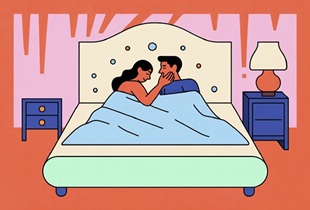
You used to get turned on out of nowhere — now, it feels like someone has to make the first move every single time. In her 5-part series, licensed sexologist Sofie Roos breaks down the two types of sexual desire and why most couples shift from spontaneous to responsive over time. Keep reading — understanding this might change everything.
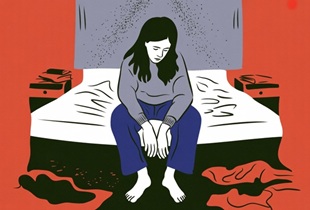
You used to crave each other constantly — now, the spark feels like a distant memory. In her 5-part series, licensed sexologist Sofie Roos reveals why desire naturally fades in long-term relationships, and what it really means for your love life. Keep reading — it's more normal than you think.