
Two Types of Sexual Desire — When It Goes From Spontaneous to Responsive
You used to get turned on out of nowhere — now, it feels like someone has to make the first move every single time. In her 5-part series, licensed sexologist Sofie Roos breaks down the two types of sexual desire and why most couples shift from spontaneous to responsive over time. Keep reading — understanding this might change everything.

Do you wonder why you don’t initiate sex anymore, and do you miss the times when you felt crazy horny out of nowhere, and wanted spontaneous sex all the time?
Many people see sex as something that should happen spontaneously, but the fact is that most people need a partner to initiate sex for them to get in the mood.
And if it feels as if none of you gets turned on by yourselves anymore, but needs a strong peak and someone taking the initiative for you, it’s a big possibility that your sex life has gone from spontaneous to responsive, which is a common reason for a dead bedroom.
These are the two types of lust, and to go from one to another is common and normal, even though it can lead to less intimacy, despite you’re actually horny on each other.
So, is there a way out of this situation?
Well, I’m Sofie Roos, a licensed sexologist and relationship therapist, as well as author at the Swedish sex positive magazine Passionerad, and in this article, I’m here to guide you through what to do when no one takes the step towards being intimate anymore!
Spontaneous vs. Responsive Desire — What’s the Difference?
First off all, how do these two types of lusts differ from each other?
Spontaneous Lust — To Feel “I Want Sex Now”
To have spontaneous lust is what you feel when being newly in love. The desire comes out of nowhere, and getting horny on your partner when least expecting it happens more often than rarely, leading to a spontaneous and passionate sex life.
The problem is that people have the wrong idea of the spontaneous lust being the normal, and how it should be forever, while it instead is a period that’s strongest during the honeymoon phase.
So, when the lust less often comes out of the blue, it’s easy to start worrying about something being wrong, either with your relationship, your partner or with yourself.
And it’s therefore important to know about responsive lust, which is the type of desire almost everyone gets sooner or later!
Responsive Lust — “I Get Turned On First Once We Start”
Have you ever thought “Why do I get turned on first after the sex is initiated?".
Well, it’s because you’re having a responsive desire, which’s extra common to have in long-term relationships when the honeymoon phase has faded!
This means that you get interested in sex in an erotic situation, or after your partner shows that they want to get intimate, for example by taking a physical or verbal initiative.
Is Responsive Lust Actually a Thing?
But, is responsive desire really real, or just an excuse for a bad sex life?
Well, a study from 2012 clearly shows that sexual stimulation increases lust, and that desire often is created by a sexual situation, meaning that lust must not be there before the stimuli, but can be awakened by a sexual context, where fantasy, environment, emotional context and how safe you feel plays a big role.
When No One Take The Initiative to Sex Anymore
That desire changes over time is completely normal, and sooner or later, both of you tend to get into a responsive phase, where spontaneous horniness isn’t a big part of the sex life anymore.
While ending up in this situation is more of a rule than an exception for most, it often gets problematic when two people with responsive lust waits for someone with spontaneous desire to take the initiative.
This leads to long periods with little or none sex, and not because the love and interest for intimacy is gone, but because you misunderstand how your lust works, and think something is wrong with you while it actually just has changed.
What to Do When Both Have Responsive Lust and You Aren’t Having Sex — How to Feel Desire Again
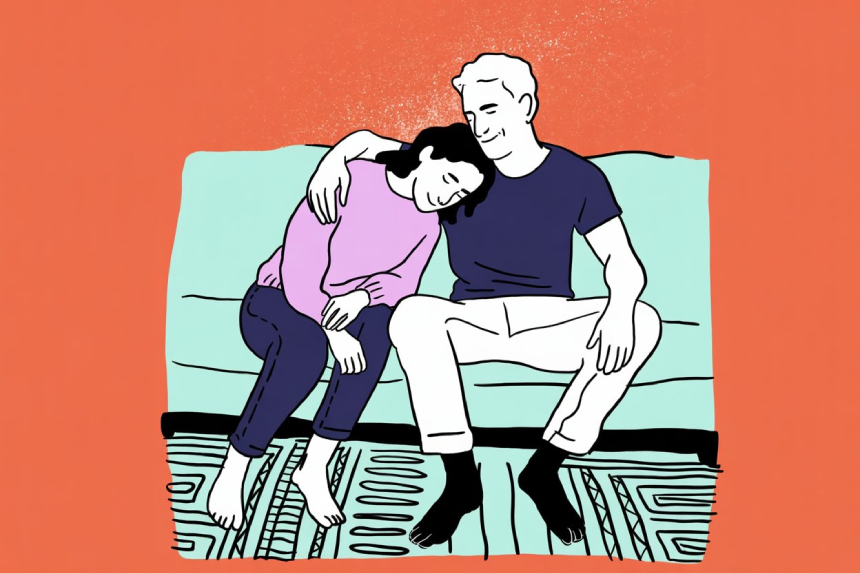
The first, and most important step, is to stop misreading decreased spontaneous desire as a sign of a broken relationship.
When getting there, I have five practical pieces of advice that will help!
1. Stop Waiting to “Feel Like It” — Initiate Intimacy Before Being Horny
If the both of you need stimuli to get interested in intimacy, you should start seeing sex as something you start with rather than something you spontaneously are being thrown into.
This doesn't mean that you should force yourselves into sex, but that you can think “Let’s start slowly and see where it goes”, as the lust often comes as you begin being intimate!
2. Lower the Bar — Have Sex Without Expectations
Don’t have the idea that sex always must lead to intercourse and orgasms, as that view on intimacy often makes it too overwhelming to get going when both are having responsive desires.
Instead try to get rid of the pressure, and be physically and emotionally intimate without any expectations. Just make out, sleep naked, give a massage or read a sex novel together.
As responsive lust needs safety, time and space to grow, being intimate in small steps is key for building it up!
3. Talk About Your Lust Without Blaming Anyone
When you stop having sex, it’s easy to get stuck in a silent frustration, where one feels rejected or not interesting anymore, and the other one feels pressured and stressed as the partner thinks you don’t want them.
By switching perspective from “You never want!”, to “How does your lust work right now, and what do you need to be interested in intimacy?”, you’ll understand why your situation is what it is, and open a door to finding solutions and work with it as a team.
The key here is to be open, ask questions to listen, and to be curious and value transparency, which requires that you never judge.
This makes it a shared problem to solve — not a conflict that tears you apart!
Do also read: How to re-build lust and communicate around sex with your partner
4. Create a Better Situation for Lust to Be Felt
Spontaneous desire lives off the excitement of something new, while responsive lust loves context, routines and safety.
Tiredness, stress, hectic periods at work and with family, or financial problems are all big mood killers that makes it way harder to feel lust, especially when both are having a responsive desire.
Therefore, think about when you feel most relaxed and in the moment, what makes you feel emotionally and physically close to each other, as well as what in a sexual context that worked for you previously.
Instead of having a serious sit-down and talk about this as if it was a meeting, it can do more for you to have a laid back date night and casually touch the topic, as this feels more natural and safe, leading to better conversation.
5. Normalize that Desire Changes From Spontaneous to Responsive in Long-Term Relationships
Sooner or later, almost all couples go from having a spontaneous to a responsive sex life, and it’s not a failure, but a natural next step.
Remember that the difference between a couple getting stuck in a dead bedroom, and the ones finding back to their lust again, isn’t how often they out of nowhere gets in the mood, but how they understand their lust, and if they’re willing to accept it and change accordingly, or if they’re nostalgic over and are trying to find back to a lust that’s no more.
You Only Feeling Desire Once You Start Isn’t Lost Passion
We often hear that real passion should be explosive, untamable and happen naturally, but in reality, long-term lust works way differently, and responsive lust is not equal to being less horny or a sign of lost passion — it’s a different rhythm.
After some time together, the desire gets softer, craves more investment and a little more energy, but it doesn't mean that the passion and attraction between you is gone, just that it has changed form. So don’t ask yourself “Why don’t we want sex anymore?”, but “How are we different now, and how can we meet that change together?”.
When doing that, you’re opening a door towards amazing intimacy that’s built more on emotional connection and safety!
And to make you feel better, even though our sexual dynamic changes as our relationship gets older, research from 2015 shows that over half of men and almost a third of women aged 70 and above are still enjoying an active sex life!
Bottom Line — It’s Not Something Wrong With You if You Don’t Initiate Sex
So, the reason why you don’t feel spontaneous desire anymore is most often not because you’ve lost the interest in your partner, or because you’re less horny than before — it’s instead because your desire type has changed, which requires that you re-build your relationship to your lust.

Getting the spark back is one thing — making it last is another. In the final part of her 5-part series, licensed sexologist Sofie Roos shows you how to maintain desire long-term and avoid falling back into old patterns. Keep reading — this is where real change happens.

Losing the spark doesn't mean it's gone forever — it just means it's time to rebuild it. In her 5-part series, licensed sexologist Sofie Roos shares the most effective tricks to reconnect sexually with your partner and reignite desire. Keep reading — a better sex life starts with knowing where to begin.

You used to crave each other constantly — now, the spark feels like a distant memory. In her 5-part series, licensed sexologist Sofie Roos reveals why desire naturally fades in long-term relationships, and what it really means for your love life. Keep reading — it's more normal than you think.
You're not broken — your lifestyle might just be quietly killing your sex drive. In her 5-part series, licensed sexologist Sofie Roos exposes the everyday habits that destroy libido, and shares practical ways to get your desire back. Keep reading — the culprit might be closer than you think.