
We Have Lost the Spark — Why Desire Fades in Long-Term Relationships
You used to crave each other constantly — now, the spark feels like a distant memory. In her 5-part series, licensed sexologist Sofie Roos reveals why desire naturally fades in long-term relationships, and what it really means for your love life. Keep reading — it's more normal than you think.

The passion in most new relationships is pure magic. You can’t barely keep your hands off each other, you’re craving to be both physically and emotionally close night and day, and the sex life is spontaneous, intense and thrilling.
But then suddenly, the spark fades, your relationship gets more about practical everyday things, and the sex and intimacy you once had feels long gone.
This often makes one wonder “Why don’t I feel desire for my partner anymore, even though I love them, and is it really normal to lose interest in sex over time?”.
My name is Sofie Roos, and I’m a licensed sexologist and relationship therapist, as well as author at the Swedish sex positive magazine Passionerad, and in this series, I will help all you people in long-term relationships who want to find back to the lust again.
But first of all, let's talk about why a changed desire is completely normal, and why you can love each other but feel no spark.
From the Intense Honeymoon Phase to Boring Secure Attachment — the Two Relationship Stages
Do you love each other but feel there’s no passion? That might be because you’ve moved from being newly in love, to being in a secure attachment phase.
At the start of a new romantic relationship, we’re in the infatuation phase, more known as the honeymoon phase, which due to a 2015 study is real, but not as dramatic as most people think.
During this time, a cocktail of feel good chemicals, such as dopamine, serotonin, norepinephrine and phenylethylamine, is having a party in our body, which creates feelings of obsession, euphoria and intense desire, making everything feel very intense.
What Happens When We Feel the Attraction Fading — Is Passion Just Chemicals?
While it’s not as easy as saying passion is just about brain chemicals, in the end of the day, it’s the neurotransmitters and hormones your partner makes you release that decides how you feel for them.
While the honeymoon phase is magical, it’s not there to last forever. After a while, these feelings are replaced with a deeper, safer and more stable bonding called secure attachment.
Instead of having butterflies in your stomach, you feel calm in each other’s presence, and instead of trying to impress each other all the time, you’re more able to be relaxed and yourself together. When moving into this phase, oxytocin, also known as “the love hormone”, plays a bigger role!
Even though it’s extremely normal to feel like the attraction has faded when moving into this secure stage of a romantic relationship, it doesn't mean that the desire is gone, just that it has shifted form.
Why Does Lust Change Over Time, and Why Don’t I Feel Desire for My Partner Anymore?

Lust isn’t static, and there’s several reasons for it changing during your relationship. Here’s the four most common ones!
1. The Novelty Fades
In the beginning, everything is new and thrilling. You’re exploring each other's bodies, sexual preferences and fantasies for the first time, and the fact that everything is new fuels lust.
When the sex after a while becomes more familiar and starts going on routine, the thrill that comes with the novelty also decreases.
2. Feeling Safe Shifts the Dynamic - Lust Grows Into Love
While it may sound contradictory, safety and passion aren’t always best friends.
Passion often thrives on a bit of distance, unpredictability, or longing, and when we feel completely secure that our partner is there, the urgent “I need you right now” feeling easily decreases.
3. Life Gets in the Way — Being Stressed Affects Desire
This 2025 study found strong correlations between stress and low interest in sex, especially in women, meaning that our lust is surprisingly sensitive towards overload, as we in stressful situations prioritize survival and recovery on the cost of being horny.
This means that stressful and hectic periods with young kids, career, economically tight situations, lack of sleep or bad routines all negatively affect libido.
So, if you’re having a lot at work or if your kids are taking more energy than usual, then you can expect a less interest in being intimate with your partner…!
Do also read: These are the biggest mood killers to avoid
4. We Tend to Get a Bit Too Comfy — Being Lazy Affects the Sex Life
In the beginning of a relationship, we generally put more effort into being our best selves. We dress nicely, are investing in the details, plan dates and try to be as flirty and loving as we possibly can, which leads to a more intimate and horny atmosphere.
With time, we tend to get less good at giving that little extra, as the relationship generally slips into auto pilot, which makes it so easy to get comfortable and take what you have a little bit for granted, and this sadly tends to lead to less sex.
Is it Normal to Stop Having Sex in a Relationship, or is Lost Desire the End?
One of the most common thoughts couples face when finding themselves in a situation with decreased desire is “We’ve lost it forever”, or “We might not be good for each other anymore, this is the beginning of the end”.
However, I can assure you that having less sex as a couple is far from the end. It’s rather a sign that you have developed together, but have gotten a bit behind with the intimacy, and that it’s now time to invest more energy in it.
Because did you know that the honeymoon phase is biologically designed to make us bond, but that it ends for a reason?
If it would go on forever, we would be ineffective and not get much done, so it’s natural that you find yourselves not having the same sex you had the first time together.
Many people have the idea of desire always coming spontaneously, but this isn’t true. Read about spontaneous vs. responsive lust here.
Accept that Your Sex Life is Changing
It’s very dangerous to start comparing yourselves to what sex you used to have.
Instead ask yourself questions around what you miss and are longing for, and stop seeing it as you should re-create what you had, and instead view it as you should create something new that works with who you are now!
This Is the Beginning, Not the End
Lastly, try to be thankful for noticing that your desire has changed, as that’s the eye opener for starting to re-build the intimacy again to become what you want it to be!
A changing sex life is natural, and even if it feels as if you’ve gone from being a wildfire to embers, remember that embers, when having oxygen, can burn for very long, as well as more passionately than flames!

Losing the spark doesn't mean it's gone forever — it just means it's time to rebuild it. In her 5-part series, licensed sexologist Sofie Roos shares the most effective tricks to reconnect sexually with your partner and reignite desire. Keep reading — a better sex life starts with knowing where to begin.

Getting the spark back is one thing — making it last is another. In the final part of her 5-part series, licensed sexologist Sofie Roos shows you how to maintain desire long-term and avoid falling back into old patterns. Keep reading — this is where real change happens.
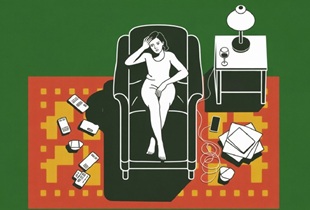
You're not broken — your lifestyle might just be quietly killing your sex drive. In her 5-part series, licensed sexologist Sofie Roos exposes the everyday habits that destroy libido, and shares practical ways to get your desire back. Keep reading — the culprit might be closer than you think.
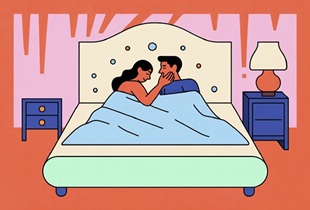
You used to get turned on out of nowhere — now, it feels like someone has to make the first move every single time. In her 5-part series, licensed sexologist Sofie Roos breaks down the two types of sexual desire and why most couples shift from spontaneous to responsive over time. Keep reading — understanding this might change everything.